Farm‑Based Environmental Sustainability, Social Equity & Economic Viability
Sustainability at work
Resiliency in PracticeLearn how to manage natural resources without jeopardizing the ability of future generations to do the same.
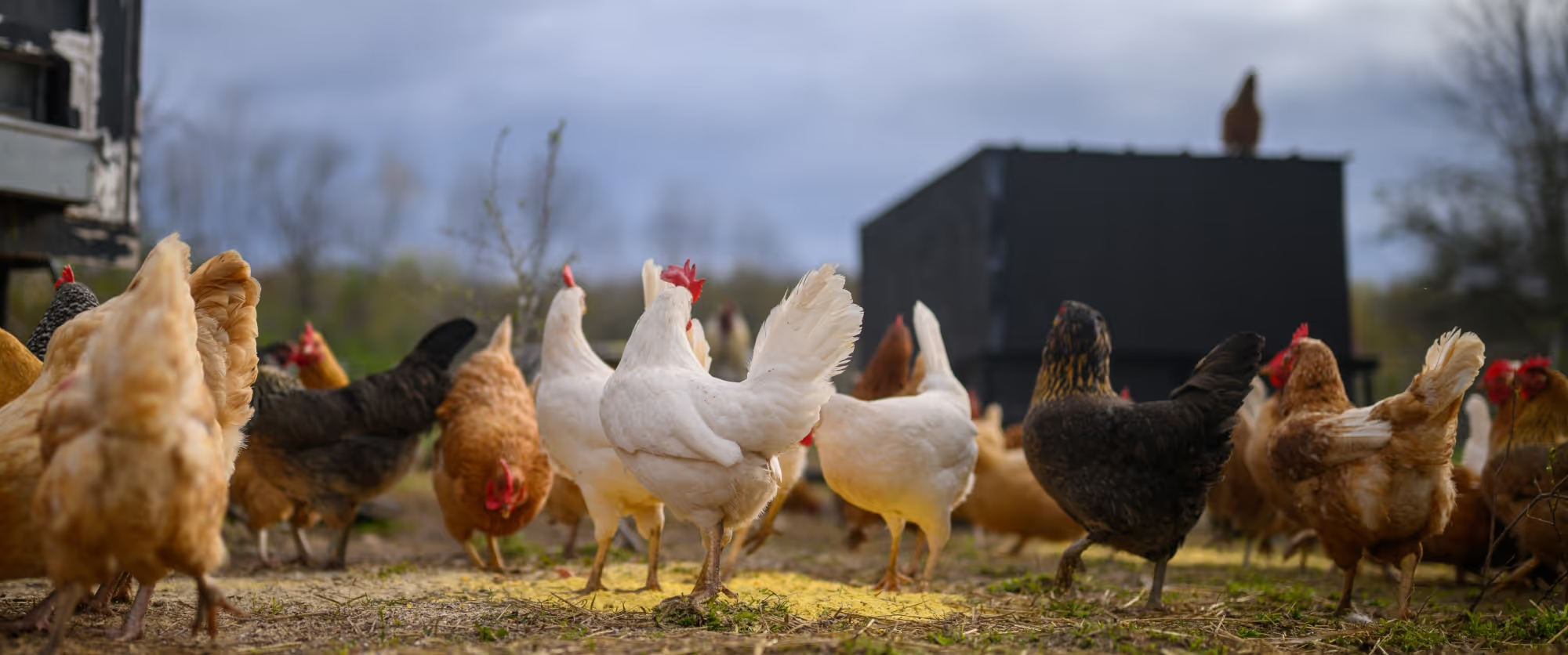

Three Key Pillars of Sustainability:
Sustainability is predicated upon a delicate equilibrium between its three foundational pillars: environmental preservation, social equity, and economic viability. True sustainability necessitates an integrated approach, as these dimensions are linked; the prioritization of one at the expense of others undermines the integrity of the whole.
 Environmental
Environmental preservation demands active stewardship to restore ecosystem health. It acts as the foundational safeguard for the integrity and resilience of our natural world.
 Social
Social equity requires upholding justice and ensuring the right to share resources fairly. This builds the ethical foundation and community stability needed to support a lasting global future.
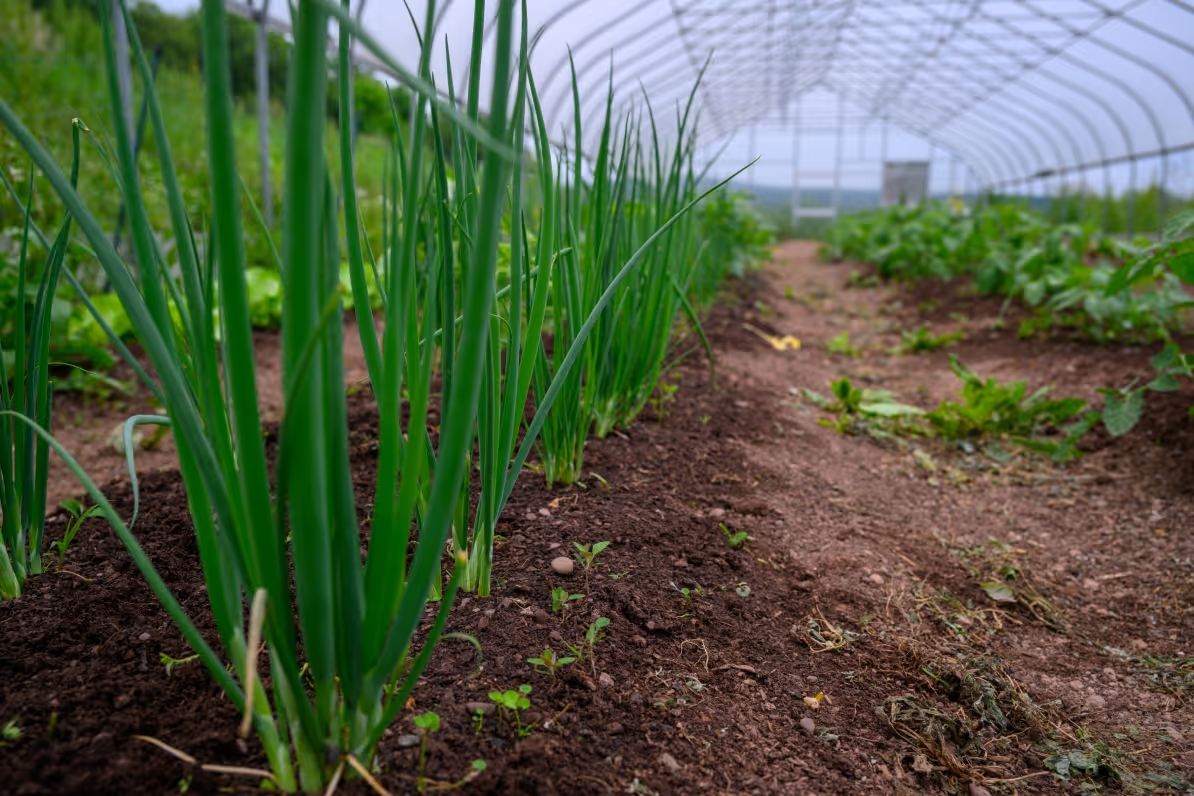 Economic
Economic viability targets long-term prosperity through responsible management. It ensures systems remain robust and productive without exhausting the resources they depend upon.
Our survival and well-being depend on the environment
Our survival and well-being depend on the environment
Healthy soil, diverse ecosystems, and thoughtful land stewardship are essential to restoring balance between human needs and Mother Nature's capacity to sustain life.
Environmental:
Environmental sustainability relates to the care and concern of our ecosystems. The focus is on the use of natural resources and reducing waste and various other ways our choices negatively affect the planet.
Through conscious, environmentally sustainable choices on our farm, BCS:
- promotes biodiversity
- protects valuable natural resources and ecosystems
- offers possible solutions to climate change
- restores and revitalizes damaged natural habitats
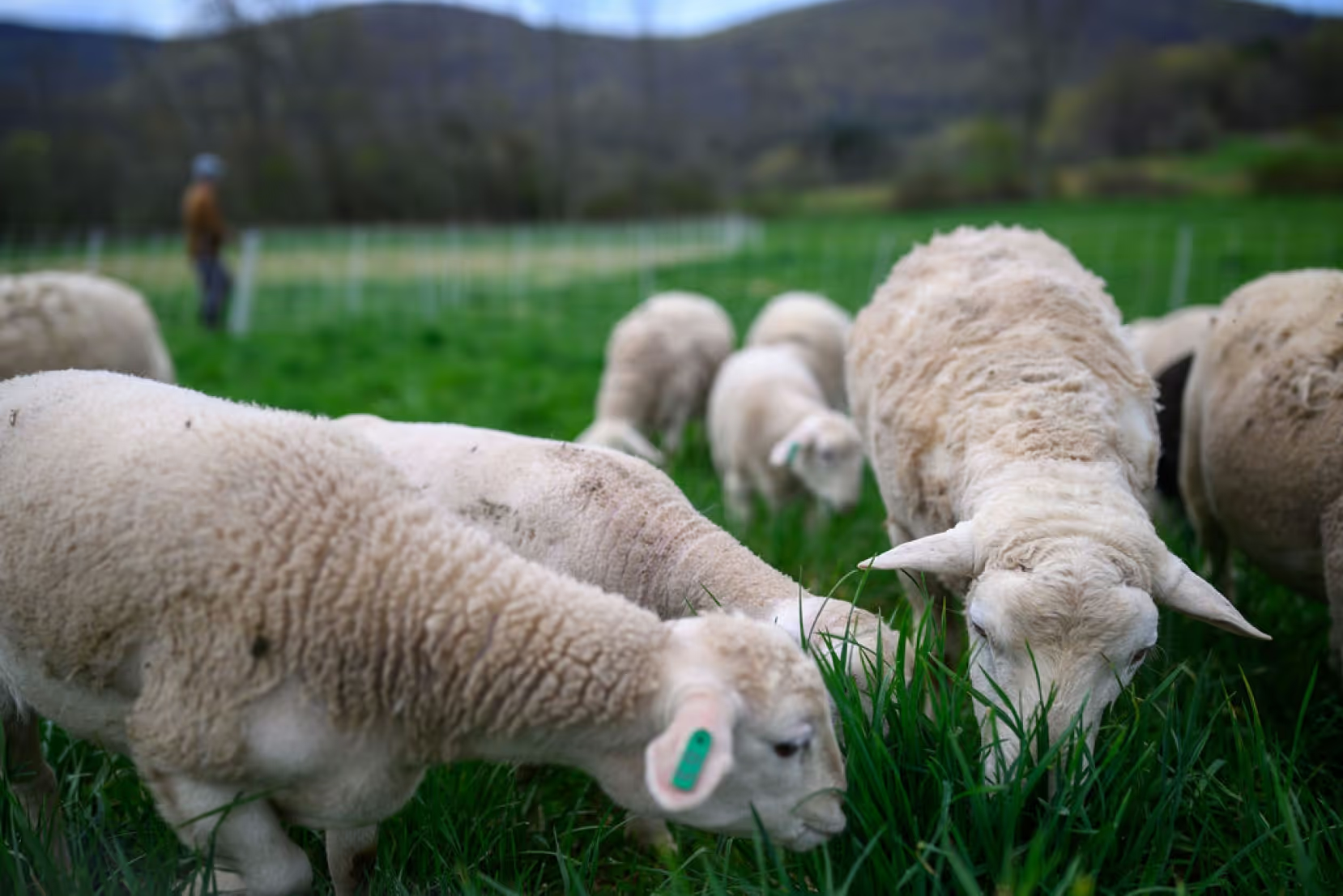


Our survival and well-being depend on the ability to afford our choices
Our survival and well-being depend on the ability to afford our choices
There is a tremendous difference between self-sufficiency and self-reliance. A healthy, sustainable system incorporates self-reliance and interdependence.
Economic:
At BCS, we approach the world from a systems perspective, which means we believe every part contributes to a healthy whole.
BCS operates on a self-reliant model, prioritizing internal sustainability and accepting additional support from partners who share our core mission.
- Recycling and repurposing materials is highlighted
- Valuing skills and abilities over consumption
- Competitive and fair pay to create a strong, committed team/entity
- Viewing the world as an endless series of partnership opportunities


“The best way to predict the future is to create it.”
-Peter Drucker





Our survival and well-being depend upon one another
Our survival and well-being depend upon one another
We firmly believe accepting and valuing our mutual reliance on one another is crucial for a healthy community.
Social:
At BCS, the social component of sustainability is a vital part of our nonprofit. Our focus on the social pillar of sustainability is reflected in our mission through educational programs, social initiatives, and partnerships.